Posts

Showing posts with the label modern farming

Multiple Cropping vs. Modern Farming Methods: Understanding the Differences

Image
Agriculture has evolved significantly over the years, with farmers adopting various techniques to enhance productivity and optimize land use. Two prominent methods that have emerged are multiple cropping and modern farming. While both approaches aim to maximize agricultural output, they differ in terms of their principles, practices, and overall impact on farming systems . This article explores the fundamental dissimilarities between multiple cropping and modern farming methods. Multiple Cropping: Multiple cropping, also known as polyculture, is a traditional agricultural practice that involves cultivating two or more crops simultaneously on the same plot of land. Farmers often choose crops with complementary growth patterns, nutritional requirements, and market demand to achieve optimal yields and resource utilization. The key characteristics of multiple cropping include: 1. Crop Diversity: Multiple cropping emphasizes planting different crops together, such as grains, legumes, and ve...

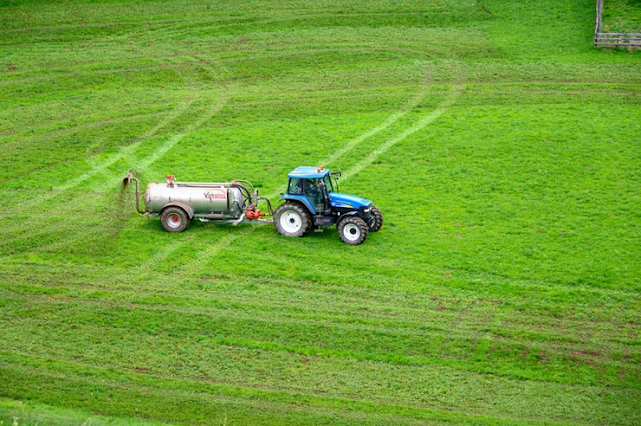
Modern Farming: Revolutionizing Agriculture for a Sustainable Future

Image
Modern farming practices have undergone a remarkable transformation over the years, fueled by advancements in technology, science, and environmental consciousness. With the global population steadily rising and climate change posing significant challenges to food production, modern farming methods have emerged as a solution to meet the increasing demand for food while minimizing environmental impact. This article explores the various aspects of modern farming and highlights its potential to create a sustainable future. 1. Precision Agriculture One of the key pillars of modern farming is precision agriculture, which leverages advanced technologies such as remote sensing, GPS, and data analytics to optimize farming practices . With the help of drones and satellite imagery, farmers can assess crop health, detect diseases, and monitor soil conditions more accurately and efficiently. This information allows them to apply fertilizers, water, and pesticides precisely where and when they are ...

Modern farming methods require more inputs.

Image
Modern farming methods indeed require more inputs, many of which are manufactured in industries. However, whether or not I agree with this statement depends on the context and the specific inputs being referred to. In this essay, I will explore the relationship between modern farming methods and the increased reliance on manufactured inputs. It is undeniable that modern farming practices have evolved to become more intensive and reliant on external inputs. This shift can be attributed to several factors, including the desire for increased productivity, the need to meet the growing demands of a growing global population, and the influence of industrialization on agriculture. One significant aspect of modern farming is the increased use of synthetic fertilizers. These fertilizers, typically manufactured in industries, provide crops with essential nutrients such as nitrogen, phosphorus, and potassium. The use of synthetic fertilizers has undoubtedly contributed to higher crop yields and...